Why Job Site Safety is a Top Priority for Utility Contractors in Texas
Texas is home to some of the most active utility infrastructure projects in the country. From expanding power grids across West Texas to laying fiber optic lines through growing suburbs north of Houston, utility contractors in Texas work in conditions that demand rigorous safety protocols every single day. At Linewise Solutions, safety is not just a checkbox on a form. It is the foundation of every project we take on.
In 2023, the Bureau of Labor Statistics reported that construction and utility work consistently rank among the most hazardous occupations in the United States. Texas, as one of the largest states with massive infrastructure demands, sees a disproportionate share of these incidents. That is why companies like Linewise Solutions invest heavily in safety training, protective equipment, and job site protocols that go above and beyond minimum OSHA requirements.
The Most Common Hazards Utility Workers Face on the Job
Understanding the risks is the first step toward preventing injuries. Utility contractors across Texas face a range of serious on-the-job hazards:
- Electrical hazards: Working around live power lines, transformers, and underground cables presents a constant risk of electrocution. Even experienced workers must follow strict lockout/tagout procedures every time.
- Trenching and excavation collapses: Underground utility work often requires deep trenching. Without proper shoring, trench walls can cave in with little warning, trapping workers beneath hundreds of pounds of soil.
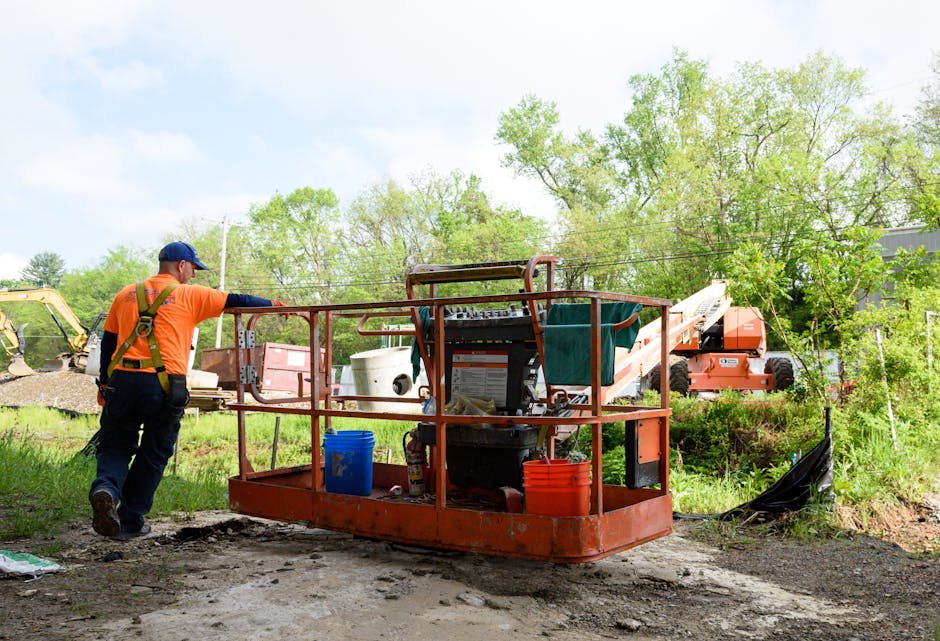
- Falls from height: Utility work frequently involves bucket trucks, ladders, and aerial lifts. Falls remain one of the leading causes of fatalities in the industry.
- Traffic and struck-by incidents: Much utility work happens along Texas highways and roadways. Workers face constant exposure to fast-moving vehicles, making high-visibility gear and traffic control plans critical.
- Extreme heat: Texas summers are brutal. Heat exhaustion and heat stroke are genuine threats for anyone working outdoors in July or August, when temperatures can exceed 100 degrees Fahrenheit for weeks at a time.
How Linewise Solutions Approaches Safety Training
At Linewise Solutions, safety training is not a one-time orientation. It is an ongoing commitment that begins the moment a new crew member joins the team and continues throughout their career. Here is a look at the core components of our safety program:
OSHA 10 and OSHA 30 Certification
Every member of the Linewise Solutions team is required to complete OSHA 10-hour training at minimum. Supervisors and foremen complete the more comprehensive OSHA 30-hour certification, which covers a wider range of hazards and gives them the tools to identify unsafe conditions before they become incidents. These certifications are not just resume builders. They represent a genuine baseline of knowledge that every crew member carries to the job site.
Daily Tailgate Meetings
Before work begins each morning, the Linewise Solutions crew gathers for a tailgate safety meeting. These brief but focused conversations cover the specific hazards expected that day: the type of work being performed, the equipment in use, weather conditions, and any special considerations for the site. Research consistently shows that daily safety briefings reduce incident rates significantly, and we have seen that result firsthand in our own operations.
Personal Protective Equipment (PPE) Standards
Linewise Solutions maintains strict PPE standards on every job site. This means hard hats, safety glasses, high-visibility vests, steel-toed boots, and gloves are non-negotiable for anyone on site. For electrical work, we add arc flash protection, insulated gloves, and voltage-rated tools. Workers are never allowed to begin work without the proper protective gear in place.
Heat Illness Prevention Protocol
Given Texas summers, Linewise Solutions follows a comprehensive heat illness prevention plan. Crews have access to cool water at all times, shade structures are erected at job sites when possible, and workers are encouraged to take mandatory cooling breaks during peak heat hours. Supervisors are trained to recognize early signs of heat exhaustion and heat stroke and know exactly how to respond. In extreme heat events, work schedules are adjusted to start earlier and finish before the hottest part of the day.
Equipment and Technology That Improves Safety Outcomes
The utility contracting industry has seen significant advances in safety technology over the past decade, and Linewise Solutions stays current with the tools that make the biggest difference. Ground-penetrating radar (GPR) helps identify underground utilities before excavation begins, dramatically reducing the risk of accidental strikes on gas lines, water mains, or electrical conduit. Equipment maintenance logs are kept up to date, and any piece of machinery showing signs of wear or malfunction is taken out of service until it passes inspection.
We also utilize traffic control planning software to design safer work zones on roadway projects, ensuring that both workers and the public are protected from the hazards of working in active traffic lanes. When bucket trucks and aerial lifts are in use, a dedicated ground spotter is always present to communicate with the operator and watch for hazards below and around the vehicle.
Building a Culture of Safety
Rules and equipment matter, but the most important factor in job site safety is culture. At Linewise Solutions, every crew member is empowered to stop work if they identify a condition that feels unsafe. There is no pressure to push through a questionable situation to meet a deadline. A few extra minutes of evaluation are always worth it if they prevent a serious injury.
Supervisors lead by example. When leadership consistently follows every safety rule and holds themselves to the same standard as the rest of the crew, the message is clear: safety is everyone’s responsibility, every single day. Crew members who identify hazards or suggest improvements to safety procedures are recognized and encouraged. Safety is not a top-down mandate at Linewise Solutions. It is a shared value that every person on the team owns.
Compliance with Texas and Federal Regulations
Utility contractors operating in Texas must comply with OSHA standards at the federal level, as well as any applicable Texas Department of Insurance and Texas Workforce Commission regulations. Linewise Solutions maintains full compliance with all applicable regulations and undergoes regular internal safety audits to identify gaps before regulators do. Our safety record reflects this commitment, and it is a point of pride that directly benefits our clients: a contractor that prioritizes safety delivers work more reliably, with fewer delays caused by incidents or investigations.
Why Clients Choose Linewise Solutions for Utility Work in Texas
When you hire a utility contractor in Texas, you are not just paying for the work itself. You are assuming responsibility for what happens on your project. A contractor with a poor safety record creates liability for everyone involved. Linewise Solutions gives clients confidence that the work will be done correctly and safely, on time and on budget, without the kind of incidents that delay projects and damage reputations.
Whether the project involves underground utility installation, aerial line work, or emergency repair, Linewise Solutions brings the same commitment to safety that has defined our reputation across Texas. Our crew members go home to their families at the end of every shift. That is the standard we hold ourselves to, and it is the standard our clients deserve.
If you are looking for a utility contractor in Texas that takes safety as seriously as you do, contact Linewise Solutions today. Let us show you what a safety-first approach looks like from the first site walk to the final inspection.