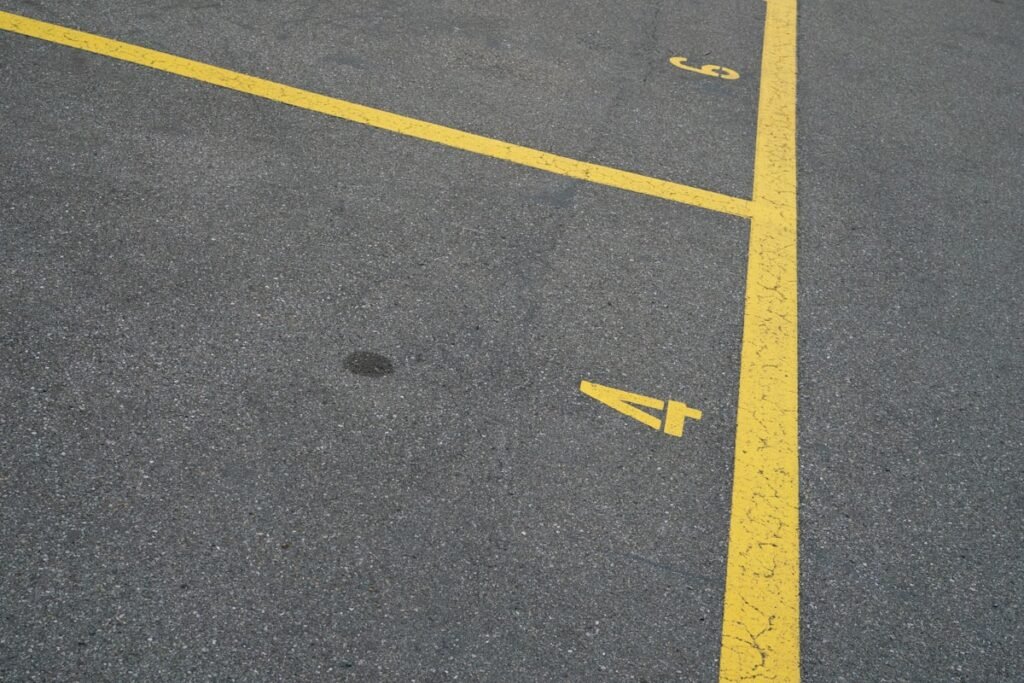
Asphalt has a lifespan, and that lifespan is either extended or shortened by how well it is maintained. For commercial property owners and business operators in The Woodlands, Conroe, and the greater North Houston area, sealcoating is the single most cost-effective way to extend the life of a parking lot. And spring, specifically April through May, is the best window of the year to do it.
Here is why the timing matters and what the process looks like when it is done right.
What Sealcoating Actually Does
Asphalt is a mixture of aggregate, sand, and a petroleum-based binder called bitumen. Over time, that binder oxidizes from UV exposure, hardens from temperature cycling, and weakens from water penetration. What starts as a smooth, jet-black parking lot gradually fades to gray, develops surface cracking, and eventually allows water to reach the base layer, where freeze-thaw cycles (rare in Texas but not nonexistent) and subsurface erosion can cause serious structural damage.
Sealcoating applies a protective layer over the asphalt surface that slows oxidation, repels water and oil, and restores the appearance of the pavement. It does not fill existing cracks, which is a separate step, but it prevents new surface deterioration and significantly extends the life of the pavement underneath.
For a commercial parking lot in The Woodlands or Conroe, sealcoating every two to three years costs a fraction of what resurfacing or replacement costs later. The math is straightforward.
Why Spring Is the Optimal Window
Sealcoating requires specific conditions to cure properly. The material needs ambient temperatures above 50 degrees Fahrenheit, low humidity, and at least 24 hours without rain. Apply it in the wrong conditions and the result is a sealcoat that does not bond correctly, bubbles, or washes out before it cures.
Texas summers are too hot and too humid for ideal application. The sealcoat can dry too fast at the surface while remaining soft underneath, and extreme heat can cause bubbling and adhesion issues. Late fall and winter carry the risk of unexpected cold snaps and precipitation.
Spring, specifically April and May in The Woodlands area, offers consistent temperatures in the 70s to low 80s, lower humidity than summer, and predictable weather patterns that make scheduling easier. It is the professional contractor’s preferred window for a reason.
There is also a practical business reason to sealcoat in spring: your parking lot is freshly maintained heading into the high-traffic summer season rather than going into it looking worn.
The Sealcoating Process: What to Expect
A professional sealcoating job from a team like Linewise Solutions follows a specific sequence:
- Inspection of the existing pavement condition. Any cracks more than a quarter inch wide need to be filled before sealcoating. Sealcoating over unfilled cracks will not solve the underlying problem.
- Cleaning. The surface needs to be free of oil stains, dirt, and debris. Oil spots require pre-treatment with a primer before sealcoating, or the sealcoat will not bond properly over them.
- Application. Commercial-grade sealcoat is applied in two coats for proper coverage. The second coat is applied after the first has cured sufficiently.
- Curing period. The lot needs to be closed for 24 to 48 hours after application. For commercial properties, this means scheduling with tenants or customers in mind.
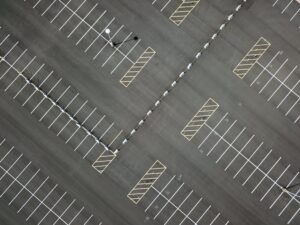
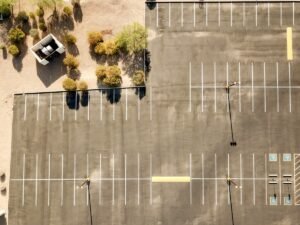
- Line striping. Fresh sealcoat covers existing pavement markings. After the sealcoat cures, parking lot striping is reapplied to restore stall lines, directional arrows, fire lanes, and ADA spaces.
Sealcoating and ADA Compliance
One important consideration in the sealcoating process is ADA compliance. When you resurface a parking lot, the accessible stall markings, access aisles, and curb ramps must be restored to current ADA standards. This is not optional. A property that has accessible spaces that are not properly marked or accessible routes that are blocked or faded is potentially out of compliance, regardless of when the original work was done.
At Linewise Solutions, we treat every sealcoating project as an opportunity to verify and restore ADA compliance alongside the cosmetic and protective work. Our team knows the requirements for accessible parking in Texas and ensures that every project we complete meets current standards.
How Often Should You Sealcoat?
For most commercial parking lots in the North Houston area, a sealcoating cycle of every two to three years is appropriate. The exact timeline depends on traffic volume, sun exposure, whether the lot has significant tree coverage (which can slow oxidation but introduce other problems), and how well the previous sealcoat held up.
A general rule: if the lot is visibly gray and faded rather than deep black, it is time for sealcoating. If you can see surface cracking that is less than a quarter inch wide, crack filling and sealcoating together are the right move before those cracks grow into something more expensive.
Serve Your Customers with a Lot That Looks Like You Care
Your parking lot is the first impression your business makes. Customers pull in before they ever see your interior, your staff, or your product. A faded, cracked, poorly marked lot communicates something about your business whether you intend it to or not.
A freshly sealcoated lot with clean striping says the opposite. It signals that the business is maintained, professional, and cares about the customer experience from the moment they pull in.
Get a Quote This Spring
Linewise Solutions serves commercial and industrial properties throughout The Woodlands, Conroe, Spring, Humble, and the greater North Houston area. We provide professional sealcoating, crack filling, line striping, and ADA compliance services for parking lots of all sizes.
Spring scheduling fills up faster than you might expect. If your lot needs attention this season, reach out now to get on the calendar. Call (346) 444-9111 or visit our contact page to request a free estimate.